%2Ffit-in%2F250x250%2Fguide_websites%2F29845%2Fimages%2F1744444282118image-2025-04-12t152118.458.png&w=1920&q=100)
/users/e2e62dea-80aa-452a-9f64-0a5a9c29d608/ratecard/454c811b-c152-462a-856a-bb9608e31359.jpg)
%2F300x300%2Fusers%2Fe2e62dea-80aa-452a-9f64-0a5a9c29d608%2Fratecard%2F454c811b-c152-462a-856a-bb9608e31359.jpg&w=256&q=75)
%2F300x300%2Fusers%2Fe2e62dea-80aa-452a-9f64-0a5a9c29d608%2Fimages%2Fslidell-sheepshead-fishing-catch-2318.jpg&w=256&q=75)
%2F300x300%2Fusers%2Fe2e62dea-80aa-452a-9f64-0a5a9c29d608%2Fimages%2Fslidell-sheepshead-fishing-catch-2305.jpg&w=256&q=75)
%2F300x300%2Fusers%2Fe2e62dea-80aa-452a-9f64-0a5a9c29d608%2Fimages%2Fslidell-flounder-fishing-charter-2376.jpg&w=256&q=75)
%2F300x300%2Fusers%2Fe2e62dea-80aa-452a-9f64-0a5a9c29d608%2Fimages%2Fslidell-sheepshead-fishing-catch-2757.jpg&w=256&q=75)
%2F300x300%2Fusers%2Fe2e62dea-80aa-452a-9f64-0a5a9c29d608%2Fimages%2Fslidell-sheepshead-fishing-catch-2635.jpg&w=256&q=75)
%2F300x300%2Fusers%2Fe2e62dea-80aa-452a-9f64-0a5a9c29d608%2Fimages%2Fslidell-fishing-trip-success-2697.jpg&w=256&q=75)
%2F300x300%2Fusers%2Fe2e62dea-80aa-452a-9f64-0a5a9c29d608%2Fimages%2Fslidell-fishing-haul-dock-catch-2327.jpg&w=256&q=75)
%2F300x300%2Fusers%2Fe2e62dea-80aa-452a-9f64-0a5a9c29d608%2Fimages%2Fslidell-speckled-trout-catch-2544.jpg&w=256&q=75)
%2F300x300%2Fusers%2Fe2e62dea-80aa-452a-9f64-0a5a9c29d608%2Fimages%2Fslidell-fishing-catch-display-2336.jpg&w=256&q=75)
%2F300x300%2Fusers%2Fe2e62dea-80aa-452a-9f64-0a5a9c29d608%2Fimages%2Ffishing-boat-slidell-bridge-water-2653.jpg&w=256&q=75)
Top-Rated 7-Hour Inshore Fishing in Slidell, LA
 Slidell, LA
What you will be catching:
 Black Drum
 Redfish
 Sea Trout
 Sheepshead
 Summer Flounder
- This full-day charter launches from The Pointe Marina and covers some of Louisiana's best inshore fishing grounds. You'll work the productive waters of Lake Pontchartrain and the sprawling Biloxi Marsh, targeting speckled trout, redfish, flounder, sheepshead, and black drum. The boat accommodates up to 2 guests, so you get personalized attention from your guide who knows these waters inside and out. All quality gear is provided, and the scenery through the marshes is spectacular. Whether you're new to saltwater fishing or have years of experience, there's steady action throughout the day. These Louisiana waters are famous for their fish populations, and this charter puts you right in the heart of it all.
Trip Pricing and Availabilities:
Full Day Slidell Inshore Fishing Adventure
Looking for a solid day of inshore fishing that won't disappoint? This full-day charter with Full Spectrum Fishing Charters puts you right in the heart of some of Louisiana's most productive waters. We're talking Lake Pontchartrain, the Biloxi Marsh system, and all those honey holes in between that locals have been fishing for generations. Whether you're new to saltwater fishing or you've been chasing reds and specks for years, this trip delivers the kind of consistent action that keeps anglers coming back season after season.
What to Expect on the Water
Your day kicks off at The Pointe Marina in Slidell, where you'll meet your captain and get the lowdown on what's biting. This isn't some cookie-cutter operation – your guide knows these waters like the back of their hand and adjusts the game plan based on tides, weather, and what's been producing lately. The boat's rigged with everything you need, from quality rods and reels to a full tackle selection that covers everything from topwater plugs to soft plastics. You're looking at a legitimate full day on the water, which means plenty of time to work different spots and techniques until you find what the fish want. The scenery alone is worth the trip – rolling marsh grass, working shrimp boats, and that wide-open Louisiana sky that makes you remember why you love being on the water in the first place.
Techniques and Tackle
This charter covers all the bases when it comes to inshore tactics. Depending on conditions and what's active, you might find yourself throwing topwater baits early in the morning when the trout are busting bait on the surface. As the day heats up, switching to soft plastics worked along drop-offs and structure becomes the name of the game. Live bait fishing with shrimp or croaker can be deadly when targeting bigger redfish and black drum, especially around oyster reefs and marsh edges. Your captain provides all the gear, but they're also happy to let you bring your own setup if you've got favorite rods or lures you want to throw. The boat stays within the inshore zone, so you're never dealing with rough offshore conditions – just productive, fishable water that holds plenty of fish year-round.
Top Catches This Season
Speckled trout are the bread and butter of this fishery, and for good reason. These aggressive feeders hit everything from topwater plugs to jigs, and Lake Pontchartrain holds some impressive specimens. Spring and fall offer the best numbers, but you can catch quality specks throughout most of the year. They school up in grass flats and around structure, making them predictable targets when you know where to look. What makes speckled trout so popular is their willingness to bite and their excellent table fare – nothing beats fresh trout fillets after a day on the water.
Redfish are the real stars of the Louisiana inshore scene. These copper-colored bruisers can be found year-round in the marsh systems around Slidell, with fall being particularly productive as they school up for their spawn. Reds eat just about anything you throw at them – live shrimp, cut bait, soft plastics, even topwater lures when they're feeding aggressively. The fish here run from slot-size keepers perfect for dinner to oversized bulls that'll test your drag and your arms. There's something special about watching a big red crush a topwater bait in skinny water that never gets old.
Summer flounder might not be the most glamorous fish, but they're some of the best eating you'll find in these waters. These flatfish hang around sandy bottoms and structure, ambushing baitfish and shrimp. They require a bit more patience than trout or redfish – you've got to work your bait slowly along the bottom and wait for that telltale tap-tap bite. Summer months are prime time for flounder, and the fish here can get surprisingly large. Don't overlook these guys – they're a customer favorite when it comes time to clean fish at the dock.
Sheepshead are the technical challenge of the bunch. These black-and-white striped fish have teeth designed for crushing barnacles and crabs, which makes them notorious bait stealers. But once you get the hang of detecting their subtle bites, sheepshead become addictive targets. They hang around structure like bridge pilings, docks, and oyster beds, especially during cooler months. The payoff is worth the learning curve – sheepshead are outstanding table fare and fighting one on light tackle is surprisingly fun.
Black drum round out the target list as the heavyweights of the group. These bottom-dwelling fish can reach impressive sizes and put up a determined, bulldogging fight that tests your gear. They're suckers for fresh shrimp and crab, and they tend to travel in schools, so finding one often means finding several. Spring brings the best black drum action as they move into shallow water to spawn, but you can catch them throughout much of the year in deeper holes and around structure.
Time to Book Your Spot
This full-day Slidell inshore charter hits all the right notes – productive waters, quality equipment, local expertise, and enough variety to keep things interesting from morning to afternoon. You're getting access to some of Louisiana's most renowned fishing grounds with a guide who knows how to put you on fish consistently. The two-person capacity keeps things intimate and gives everyone plenty of room to fish comfortably. Whether you're planning a father-son trip, bringing a buddy along, or treating yourself to a solo fishing adventure, this charter delivers the goods. Louisiana inshore fishing has earned its reputation as world-class for a reason – book your trip and find out why anglers keep coming back to these waters year after year.
Learn more about the species
Black Drum
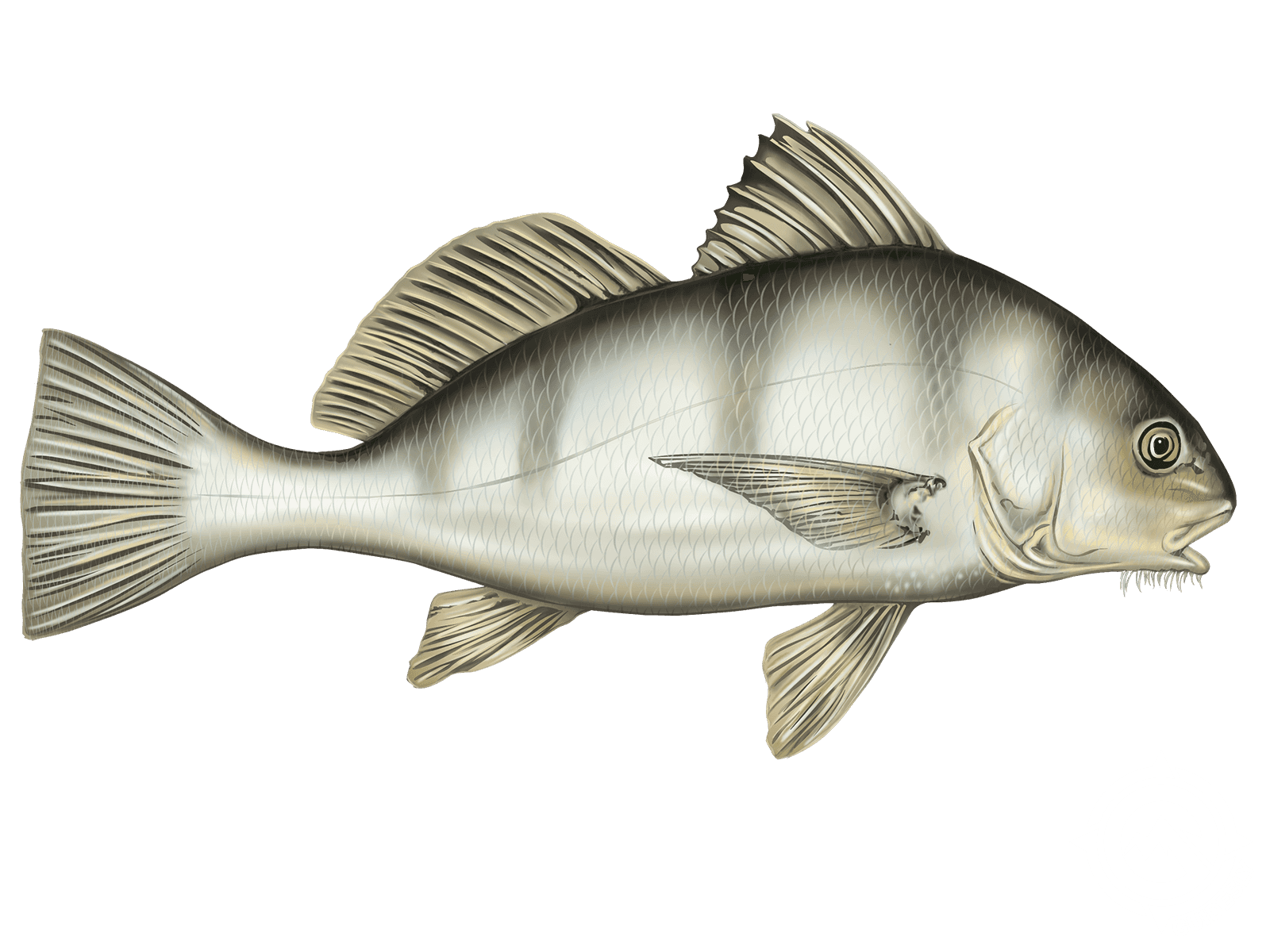
Black Drum are the heavyweights of our local waters, ranging from 5-30 pounds with monsters reaching 90+ pounds. These gray-black bruisers love oyster beds and muddy flats around Lake Pontchartrain and the marsh. Spring is prime time when they school up for spawning - that's when we find the best action. What makes them special? Those human-like crushing teeth and the drumming sounds they make underwater. They're tough fighters that'll test your drag. For eating, stick with fish under 15 pounds - the big ones get tough and stringy. Pro tip: use fresh crab on the bottom and listen for their drumming calls. When you hear that sound, get ready because they're feeding nearby and about to hammer your bait.
Redfish
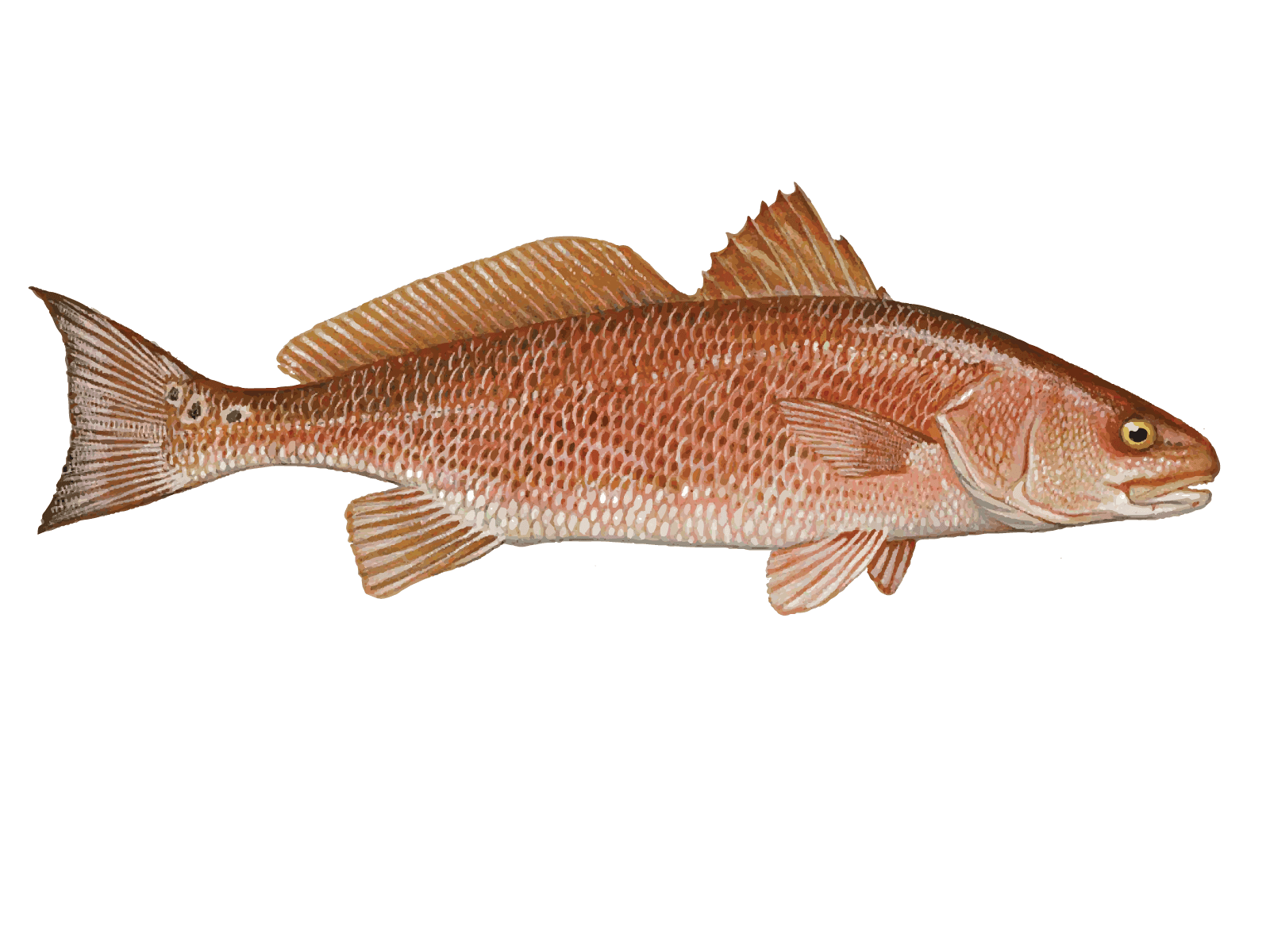
Redfish are the kings of our shallow water marsh, running 20-35 inches with that distinctive copper-red color and black eyespot near the tail. They cruise super shallow flats - sometimes with their backs out of water - around oyster reefs, grass beds, and marsh edges. Year-round fishing is solid, but fall brings the best action as they school up. What makes them special? They're visual hunters that'll crush topwater lures in explosive strikes, plus they're bulldogs that'll test your tackle. Great eating too, with mild, sweet meat. They're not picky eaters - live shrimp, soft plastics, topwater plugs all work. Here's my go-to trick: look for nervous water or tailing fish on calm days. When you spot them, cast past and work your lure back through their path. They spook easy in skinny water, so long, quiet casts win the day.
Sea Trout
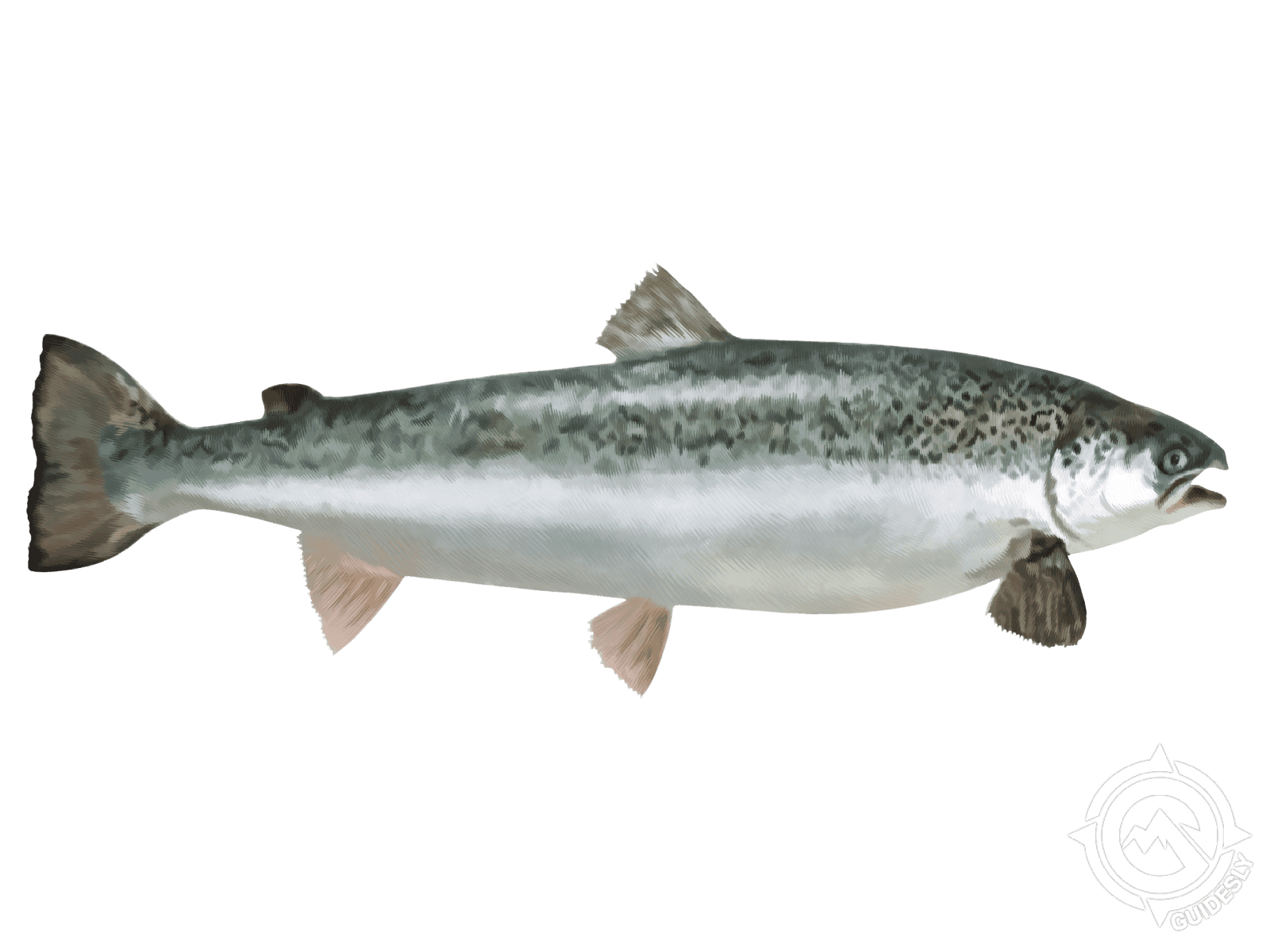
Speckled Trout are our bread-and-butter fish, averaging 1-5 pounds with a beautiful spotted silver body. They love grass flats and shallow waters throughout Lake Pontchartrain and the marsh, especially at night or early morning. Spring and fall provide consistent action, but they bite year-round if you know where to look. What makes them popular? They're willing biters, fight well for their size, and make fantastic table fare with tender, flaky white meat. Just don't overcook them or they'll turn mushy. They respond great to topwater plugs, soft plastics, and live shrimp. Local tip: work the grass edges at first light with a slow-sinking soft plastic. When you feel that subtle thump, don't horse them - their mouths are soft and hooks pull out easily. Keep steady pressure and let them wear themselves out.
Sheepshead
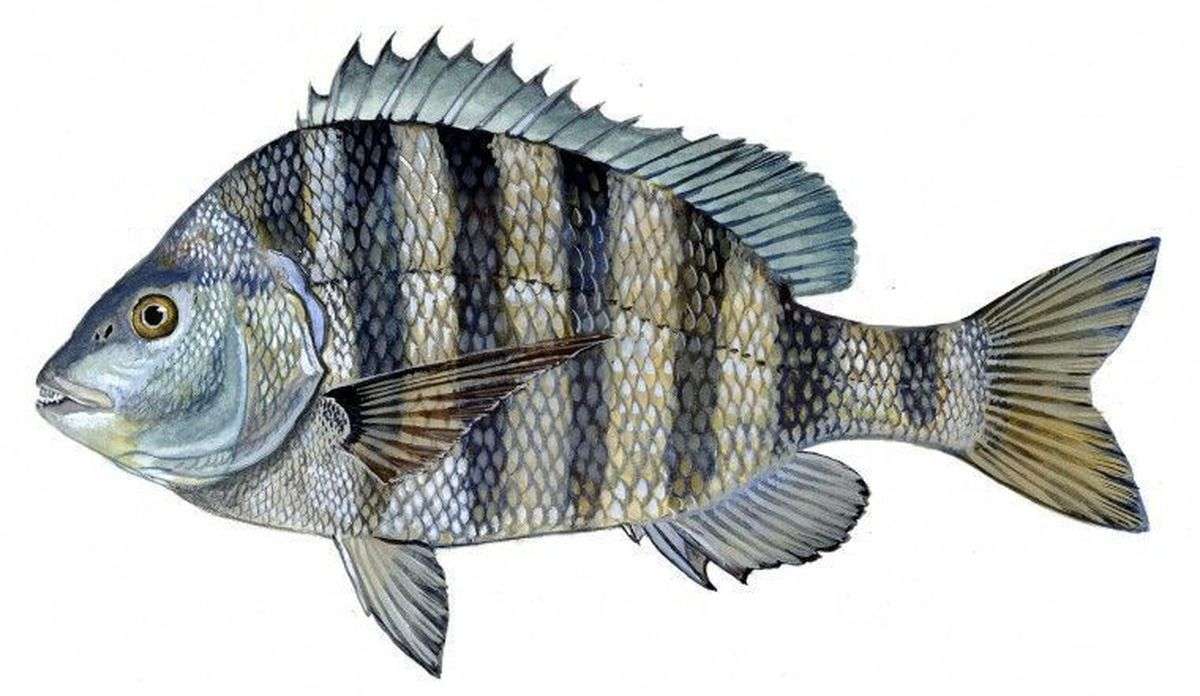
Sheepshead are our "convict fish" with those distinctive black and white stripes, typically running 1-8 pounds around docks, bridges, and any barnacle-covered structure. They're notorious bait thieves with human-like teeth perfect for crushing crabs and oysters. Spring brings the best action when they gather around structures in big numbers. What makes them fun? They're scrappy fighters and excellent eating with sweet, white meat that rivals snapper. The challenge is their light bite and quick bait-stealing ability - they'll clean your hook before you know it. My local secret: get as close to the pilings as possible without spooking them, use fresh fiddler crab or shrimp, and when you feel that subtle nibble, set the hook hard immediately. They've got strong jaws, so don't hesitate or you'll just be feeding them.
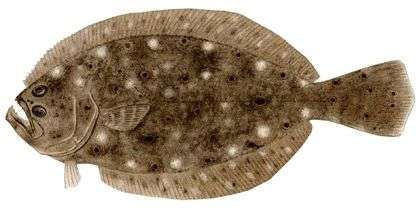
Summer Flounder
Summer Flounder are the masters of camouflage on our sandy bottoms, typically running 15-20 inches but capable of reaching 26 pounds. These flatfish ambush predators lie buried in sand waiting to strike, with both eyes on one side so they can watch while staying hidden. Fall months from September through November give us the best shot at them as they move through our area. What draws anglers? They're sneaky fighters and excellent table fare with sweet, flaky meat. Plus, there's something satisfying about outsmarting such a clever predator. The key is using live baitfish like croakers or mullet on circle hooks, keeping your bait moving just off the bottom. Here's a local trick - hook smaller bait through the eye, larger bait through the lips, and use just enough weight to stay down but let the bait move naturally.
About the 22' Sea Fox
%2F%2Fusers%2Fe2e62dea-80aa-452a-9f64-0a5a9c29d608%2Fvehicle_picture%2Fimage-2025-04-12t152314.319.png&w=1920&q=75)
Vehicle Guest Capacity: 6
Manufacturer Name: Yamaha
Maximum Cruising Speed: 40
Number of Engines: 1
Horsepower per Engine: 200